A planned project to showcase what Biddeford was like in 2026 should perhaps also include messages about how we treated our neighbors, families and friends — our undocumented history
By DOUGLAS VANDERGRAPH | Special to the Gazette
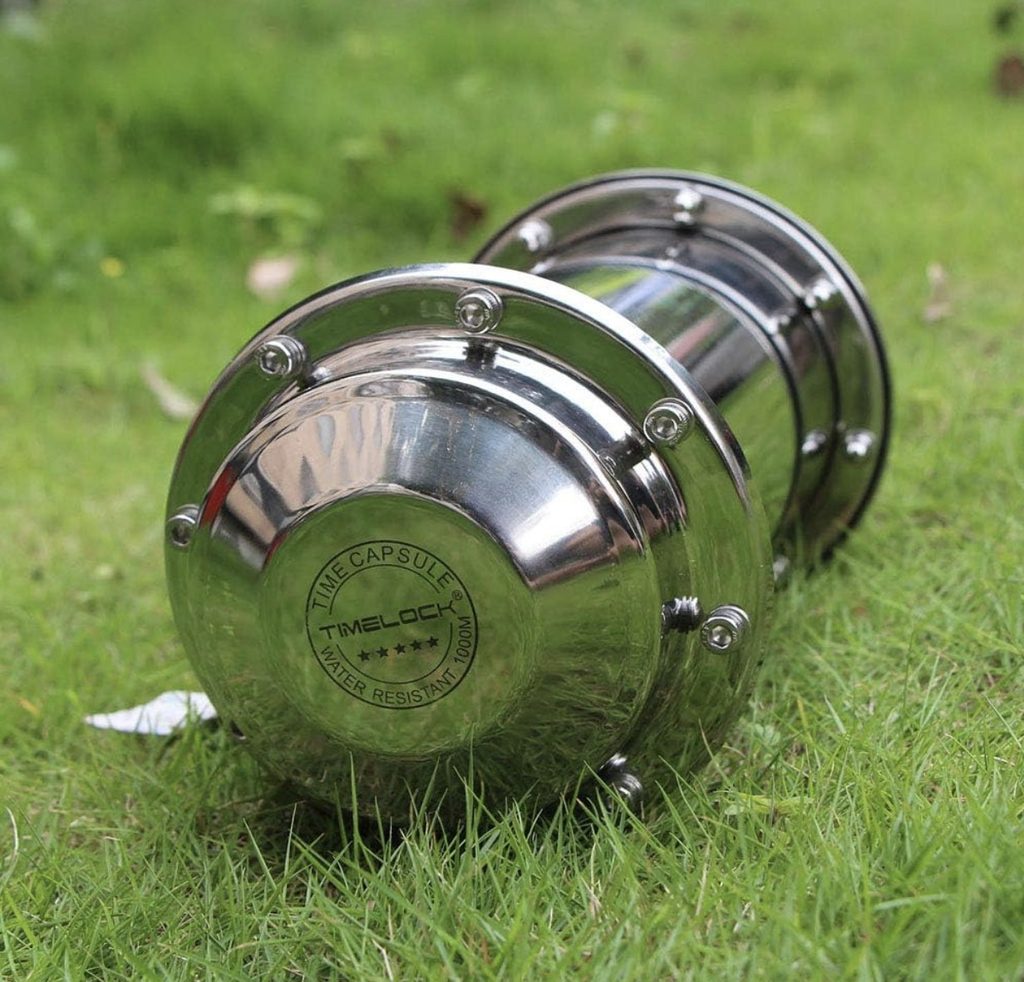
The volunteers behind Biddeford’s new time-capsule project are asking residents to think about what people in 2076 should know about life here in 2026.
That is a wonderful question. A newspaper, a school photograph, a restaurant menu or a handwritten note might tell a future reader what a community valued half a century earlier.
But I keep thinking about what cannot be sealed inside a box.
We cannot preserve the patience of a neighbor who took time to listen. We cannot tuck away the relief a struggling parent felt when somebody arrived with groceries. We cannot put the sound of a sincere apology into storage and trust that it will mean the same thing to a stranger 50 years from now.
The most important parts of a community are often the least collectible.
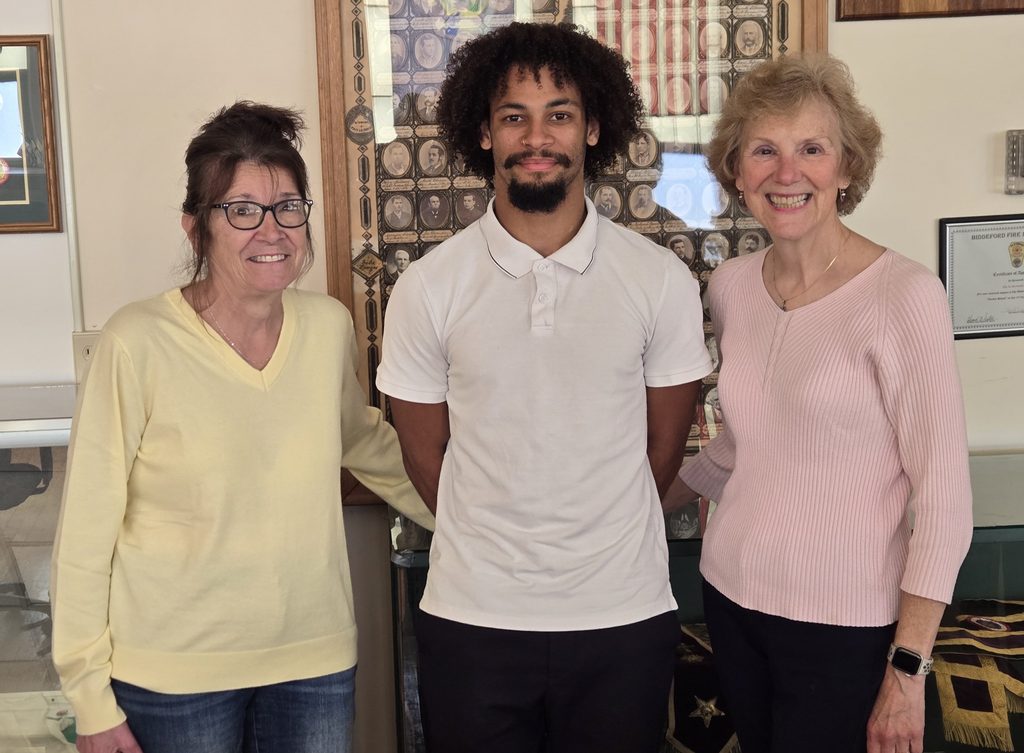
I have not lived in Biddeford. I encountered the project through the Biddeford Gazette’s reporting, Biddeford Goes Back to the Future; Biddeford Gazette, Oct. 18, 2026
That story made me think about the legacy all of us are building in the places we call home.
As a Christian, I return to a moment in the Gospel of John when Jesus kneels to wash His disciples’ feet. There is no monument in the story, no achievement displayed for admiration. There is a teacher choosing the work of a servant and inviting His followers to love one another in the same spirit.
His example leaves behind something more durable than an object. It leaves a way of living.
Imagine two descriptions of a town in 2076.
One records its new buildings, the businesses that opened, and the technology people carried in their pockets.
The other describes the way residents cared for children, welcomed newcomers, remembered people who were grieving and made room for those who had fallen behind.
We would want to read both. But the second description tells us whether the first one added up to a place where human beings could flourish.
A time capsule can encourage exactly that kind of reflection. The selection process is not only about what people in the future will find interesting. It is an opportunity to ask what people living today hope to be remembered for.
Will our grandchildren know that we valued our neighbors as people rather than problems? Will they see evidence of a community willing to show patience even when agreement was difficult? Will they inherit local organizations sustained by volunteers who stayed long after the excitement of a launch had faded?
Those questions are not meant to shame us. They are invitations.
Someone could respond today by writing a letter to a person who helped them through a hard season, then making time to thank them in person. A congregation could ask which families are missing from its gatherings and whether its welcome feels real once the service ends. A business could notice an employee carrying more than anyone realizes and offer understanding instead of another demand.
The acts are ordinary. They shape the memory of a place.
I hope Biddeford’s time capsule
tells future residents something
vivid and true about 2026.
In 50 years, nobody will remember every kindness. That is alright. Love is not a performance staged for future historians. The person who receives it matters now.
I hope Biddeford’s time capsule tells future residents something vivid and true about 2026. And I hope the city’s unwritten inheritance—the kindness practiced in kitchens, classrooms, churches, workplaces and sidewalks—continues being passed down long after the capsule is sealed.
The best legacy is not just what we leave for the next generation to open. It is what we teach them to keep doing.

ABOUT THE AUTHOR | Douglas Vandergraph of Fort Collins, Colorado is a Christian inspirational writer and speaker whose work explores faith, compassion, perseverance and the everyday meaning of service. LEARN MORE : https://www.douglasvandergraph.net
NOTE: The author used AI technology to assist in the production of this column.
The views expressed here are solely those of the author and do not necessarily reflect those of the Biddeford Gazette, its staff, affiliates or sponsors. We encourage robust and diverse community conversations on topics related to the city of Biddeford. To submit your own letter or column, please CONTACT US