Political endorsements, bragging about experience and campaign ads should not set the standard for being reelected. Let’s instead focus on measurable results
By TAMMY BELANGER | Gazette Columnist
With election season upon us, I’ve been reading letters of endorsement, campaign advertisements, and statements from candidates seeking reelection. One thing that consistently stands out to me is how much emphasis is placed on experience, political endorsements, legislation sponsored and promises made — rather than actual, measurable results.
Let me start by saying that I am not particularly a fan of politicians in general, regardless of which side of the political aisle they occupy.
Politics has become a cesspool of lies, finger-pointing, partisan games, and self-serving behavior. Far too often, it seems that political loyalty, protecting one’s position and getting reelected take priority over actually serving the people who put these individuals in office.
I don’t care whether someone has a D, an R, or an I next to their name. I care about what they accomplish, how they spend our money and whether their decisions genuinely improve the lives of the people they represent.
Somewhere along the way, too many politicians seem to have forgotten that they work for us.
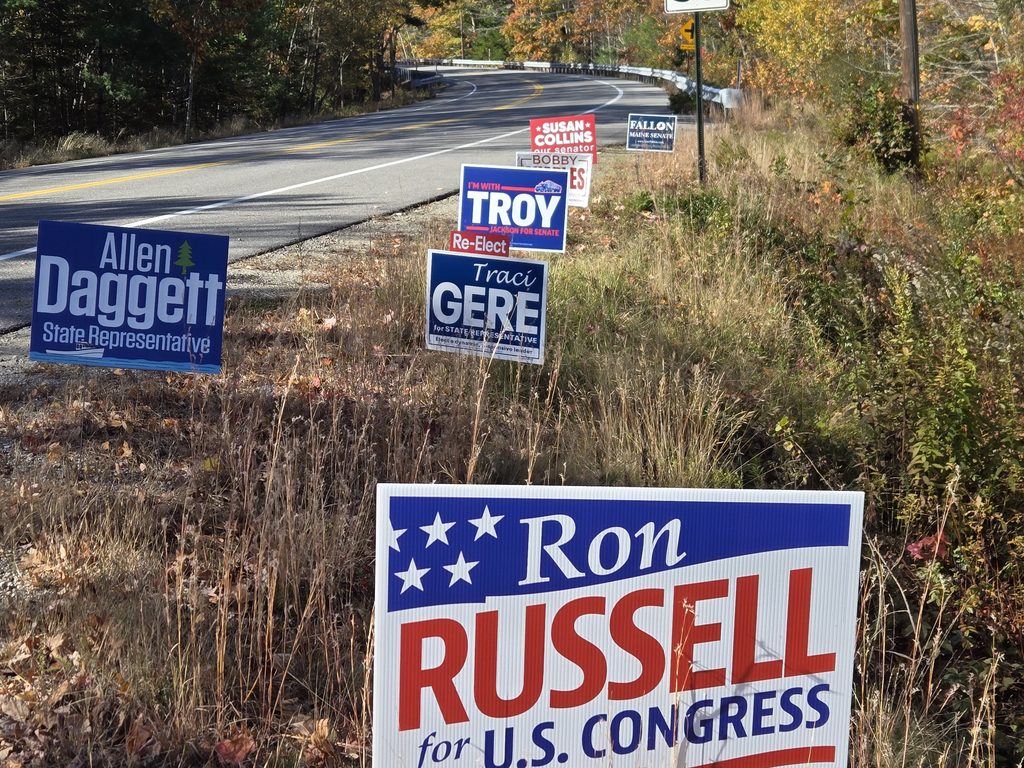
Public office is not an entitlement, and reelection should never be treated as a reward simply for occupying a seat.
It is a job, paid for by taxpayers, and like any other job, continued employment should be earned through performance, accountability and measurable results. This principle applies to every elected official seeking another term, whether they serve on a city council, school board, in the Legislature or in Washington, D.C.
I recently read letters supporting Senator Henry Ingwersen’s reelection that highlighted his experience, legislation he has sponsored and endorsements he has received.
Those are certainly things voters can consider, but they also illustrate a much broader question we should be asking of every incumbent: What measurable improvements have actually been achieved during your time in office, and at what cost to the people you represent?
Public office is not an entitlement,
and reelection should never
be treated as a reward simply
for occupying a seat.
For example, Senator Ingwersen serves as senate chair of the Legislature’s Health and Human Services Committee, which has legislative oversight responsibilities involving Maine’s Department of Health and Human Services (DHHS).
Given the serious concerns raised about MaineCare payments, potential fraud and financial accountability within DHHS, I believe it is entirely reasonable to ask what oversight his committee exercised.
What questions were being asked before these issues became public? Were warning signs identified? What safeguards were reviewed or strengthened? And what has been done to ensure taxpayer dollars are being spent appropriately?
I understand that legislative committees do not conduct criminal investigations or manage the daily operations of state departments. However, oversight is an important responsibility, and elected officials should be prepared to explain how effectively they have carried it out.
And that standard should apply across the board.
Whether we’re talking about state agencies, municipal departments, school budgets or federal programs, elected officials have a responsibility to ask difficult questions, demand accountability and ensure that taxpayer dollars are being used appropriately.
I frequently see politicians taking credit for sponsoring bills, securing funding, expanding programs or increasing services. But spending more money does not automatically mean we’re solving more problems.
Are we actually improving outcomes, or are we simply expanding government?
Are the programs producing measurable results? Are they being regularly evaluated for effectiveness? Are we eliminating waste and duplication? And perhaps most importantly, are we considering the long-term financial impact on the people paying for them?
Take childcare, for example. We hear about expanded subsidies and additional assistance, yet families continue to struggle with affordability, and providers continue to face staffing shortages and financial challenges.
That doesn’t mean these initiatives have no value. But it does mean we should be asking whether the money being spent is producing sustainable improvements.
The same questions apply to food insecurity, housing, healthcare, education, infrastructure and countless other government-funded initiatives.
Which programs have produced measurable, positive results? What did those results cost? And which accomplishments were achieved without creating an additional financial burden for everyday Mainers?
I am not suggesting that government should never spend money to help people. Quite the opposite.
I believe there are essential services that government has a responsibility to provide. But I also believe every dollar spent should be justified, accounted for and evaluated for effectiveness.
Maine families are facing increasing costs for housing, property taxes, utilities, groceries and insurance. Many are struggling simply to maintain the standard of living they worked their entire lives to achieve.
For those families, another tax increase isn’t just a number on a budget spreadsheet. It can mean cutting back on groceries, delaying a necessary home repair, postponing retirement or wondering how much longer they can afford to remain in their homes.
When government expands programs, someone ultimately has to pay for them. Whether the funding comes from state taxes, federal dollars or borrowing — it is not free money.
And while I recognize that not every problem can be solved without additional spending, I believe taxpayers deserve an honest explanation of the costs, expected benefits and results.
Should prior experience be a requirement for a candidate?
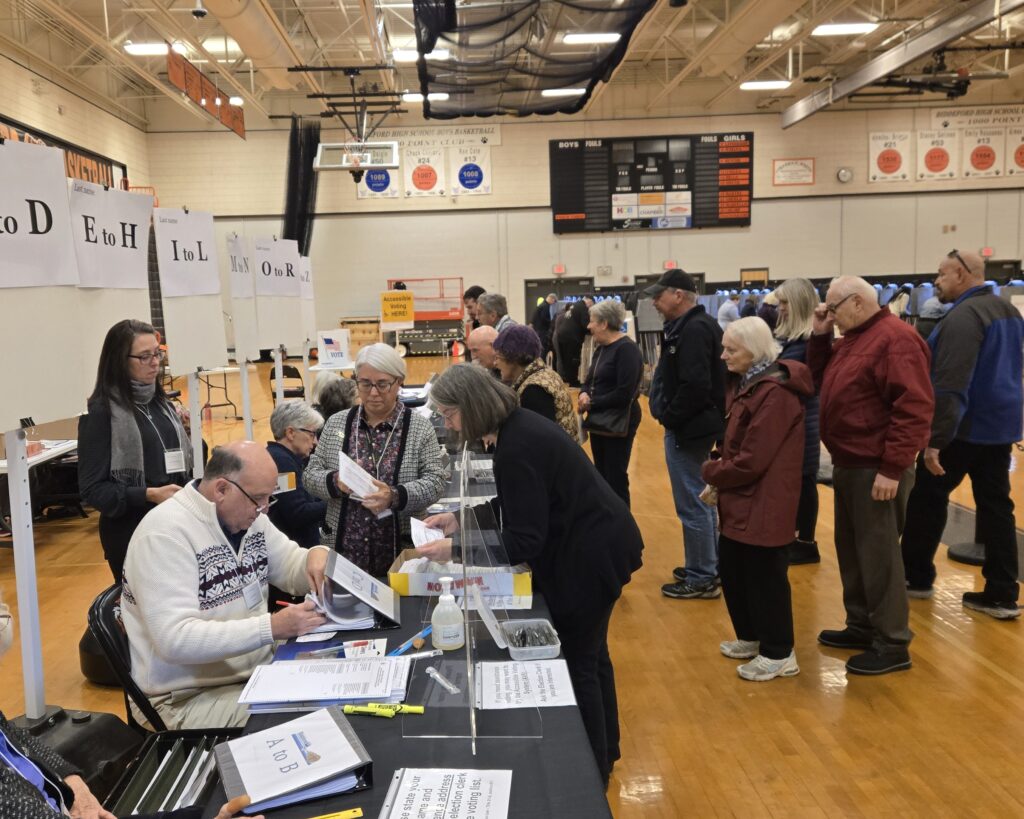
I also take issue with the suggestion that electing someone with less political experience is automatically a risk. Experience certainly has value, but longevity in office should invite greater scrutiny of the results achieved during that time, not provide immunity from it.
An incumbent has something a challenger does not: an actual record of decisions, votes, spending priorities and accomplishments that can be examined.
That record should be evaluated fairly, including both successes and shortcomings.
I would welcome detailed explanations from every incumbent seeking reelection identifying their greatest accomplishments, the total costs associated with them, the measurable results they have produced and how those decisions have affected the taxpayers they represent.
And please, spare me the political talking points, the finger-pointing at the other party and the endless list of endorsements.
Endorsements tell us which organizations support a politician’s positions. They do not necessarily tell us whether those policies are financially sustainable or improving the lives of the average resident.
I want to know what has actually been accomplished. What problems have been solved? What waste has been eliminated? What has become more affordable? What services have improved? And what have you done to make life better for the people who elected you?
A track record is measured by results,
accountability, fiscal responsibility
and whether the people paying
the bills are actually better off.
These are not Republican questions or Democratic questions. They are taxpayer questions, and every elected official should be willing and able to answer them.
For me, a proven track record isn’t measured by how many bills someone sponsors, how much money government spends, how many ribbon-cutting ceremonies someone attends or how many endorsements they collect.
A track record is measured by results, accountability, fiscal responsibility and whether the people paying the bills are actually better off.
Public service should be exactly that: service to the public.
Politicians, regardless of party or position, need to remember one simple fact.
You work for us. You answer to us. And you should have to earn the privilege of continuing to represent us through your actions and results, not your political connections, party affiliation or campaign promises.
Reelection should never be assumed. It should be earned.

ABOUT THE AUTHOR | Tammy Belanger is a regular columnist for the Biddeford Gazette, covering City Hall and other public policy issues impacting the city. She is a longtime Biddeford resident, small business owner, photographer and dog lover. “I am a wife and a mother of three adults who were raised here. I care deeply about our community, and the people who live here,” she says.
.
The views expressed here are solely those of the author and do not necessarily reflect those of the Biddeford Gazette, its staff, affiliates or sponsors. We encourage robust and diverse community conversations on topics related to the city of Biddeford. To submit your own letter or column, please CONTACT US